
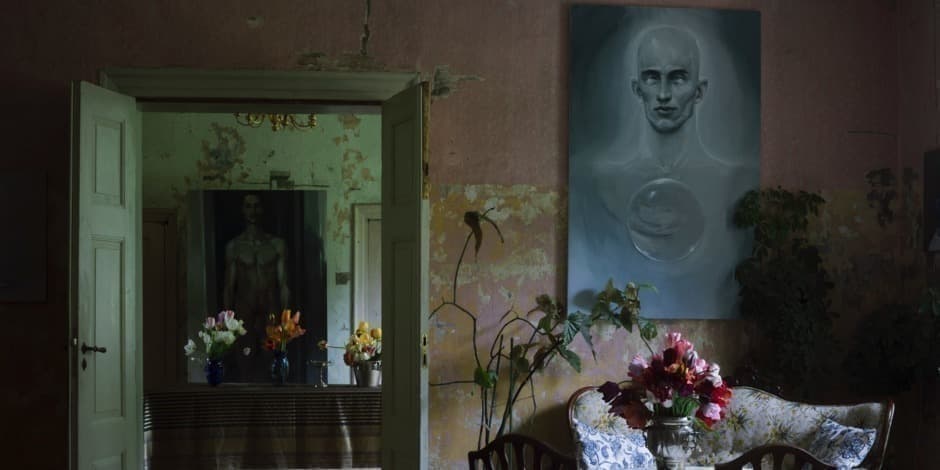
Solo exhibition of Atis Jākobsons in Padure manor
From June 6 to July 31 this year, a solo exhibition of the artist Atis Jākobsons will take place in Padure manor, which includes paintings made during the last three years.
For the past three years, Atis Jākobsons has created a diary of portraits of people and objects, which includes the meaning of watching. The central images of the works are real to the artist, but their connection with reality is not really as important as the reflective spiritual world. The viewer does not need anything more than what is visible - these portraits do not burden them with unnecessary information, but rather encourage them to think in associations. Nothing is said in advance, because in the presence of excessive emotions, words often lose their meaning. This painting contains a reminder of the essentials, which for each of us can be treated only through subjective experience. The artist describes his works: more people, the nuances of the portrait, the emotions, thus touching their inner world.When portraying others, it becomes a self-portrait and an encounter with their psychological subtle world.It is important to me that these portraits carry something timeless - they can be created today, or 300 years ago. It is important for me to depict a timeless experience. The directness of the images is not intrusive, but searching and hypnotic. The still lifes of the objects are also portrait. Still Life, as described by Jacobson himself, suggests the norms and symbols that each pictorial element contains (not only the depicted or imagined, but also the material and its use). When painting flowers, Atis Jākobsons seeks to release these motifs from the associative banality, showing them in a different, spiritually cognitive light. In his works, he calls flowers metaphors of emotional states, while the poet Kārlis Vērdiņš has called the plant forms included in these paintings projections of the states of the soul. The compositions of things reflect portraits and, conversely, the interconnection is inseparable. The original architecture and interior of the manor symbolize authenticity, while at the same time asking the question of what is real at all? Can physical belonging to space determine our truth? When the artist lives on the spot in Padure manor, the surrounding space becomes an organic and inclusive environment. The place does not contextualize, but becomes an important continuation of painting. Space is a procedural experience of art and the viewer is given the opportunity to feel it vitally, realizing himself through objective and pictorial experience.
Text of the exhibition: Auguste Petre